
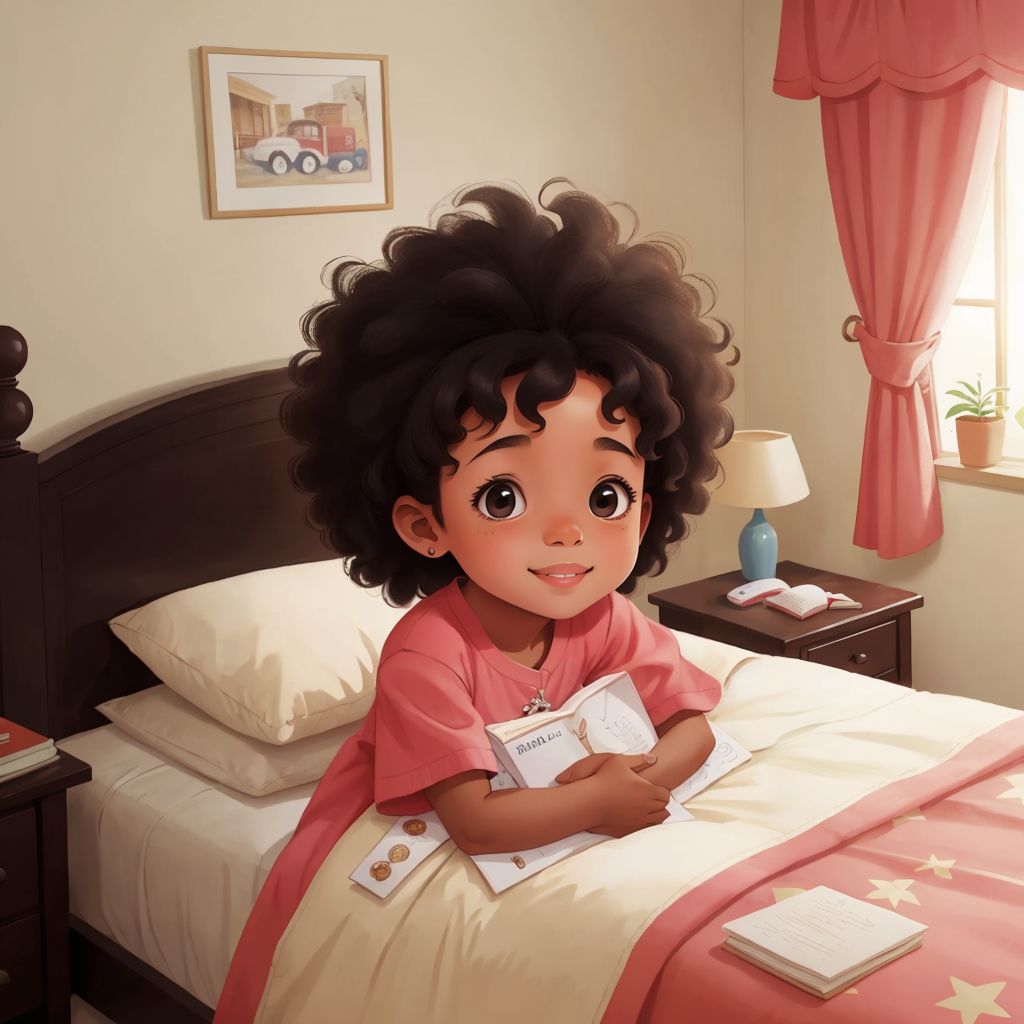
 Start Read
 Recommend

Fenton, a 14-year-old grade 9 student at Walter Murray High School in Toronto, lived for basketball. His dream? To play for the Raptors. He practiced tirelessly, joining the school team and impressing with his skills and dedication. Despite his age, he became a leader on the court, known for his clutch plays. Fenton's journey didn't stop there. He attended camps, clinics, and tournaments, constantly honing his skills. College scouts noticed his talent, offering scholarships to top programs. Fenton's passion and hard work paid off when he finally stepped onto the court as a Toronto Raptor. Reflecting on his journey from backyard hoops to the NBA, Fenton knew his dream was realized through dedication and perseverance. As the crowd cheered, he embraced the moment, ready to continue his basketball journey with the Raptors, fulfilling his lifelong dream.

Mika lands on Mercury, the planet closest to the Sun. She is surprised because the daytime is extremely hot, while the night is very cold. Mika learns why the temperatures here are so extreme!
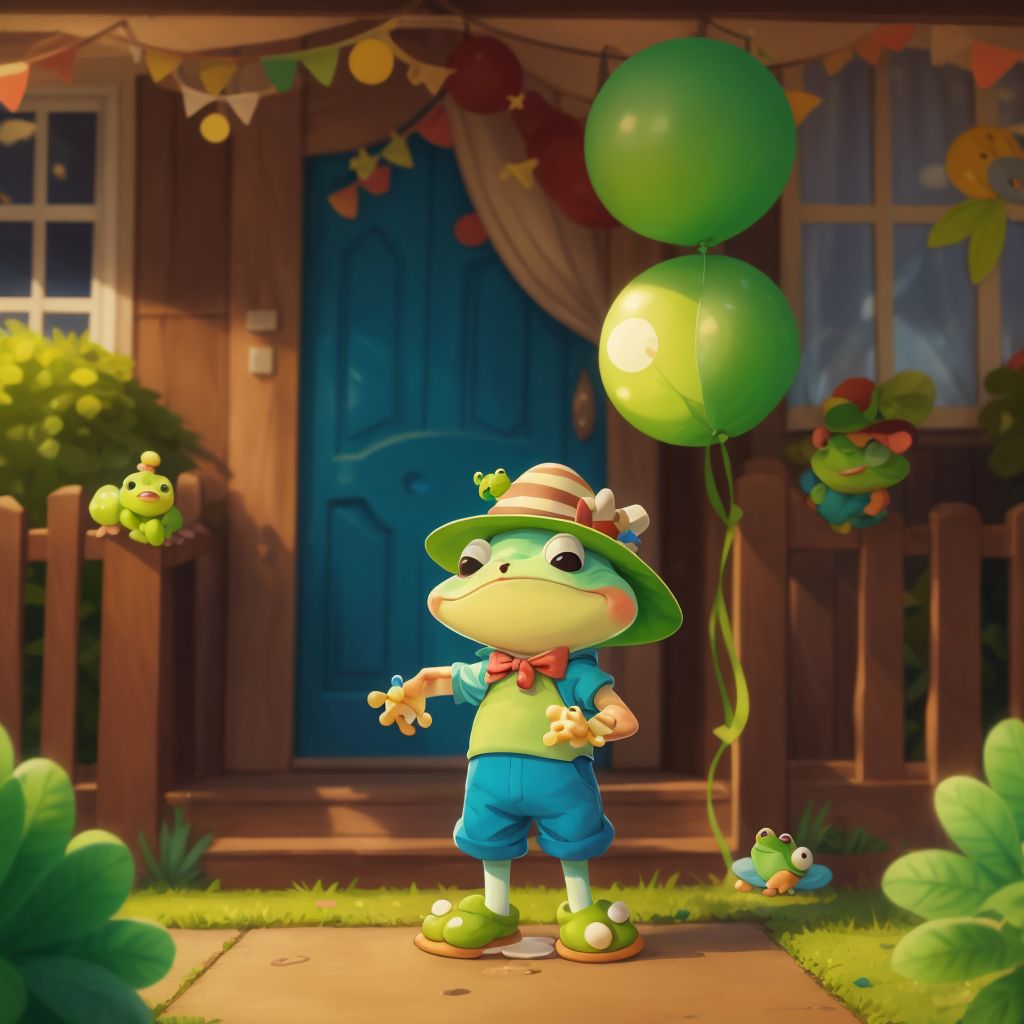
Freddy the Frog forgets his manners. Throughout the book, Freddy the Frog learns manners from his friends, his parents and teachers.
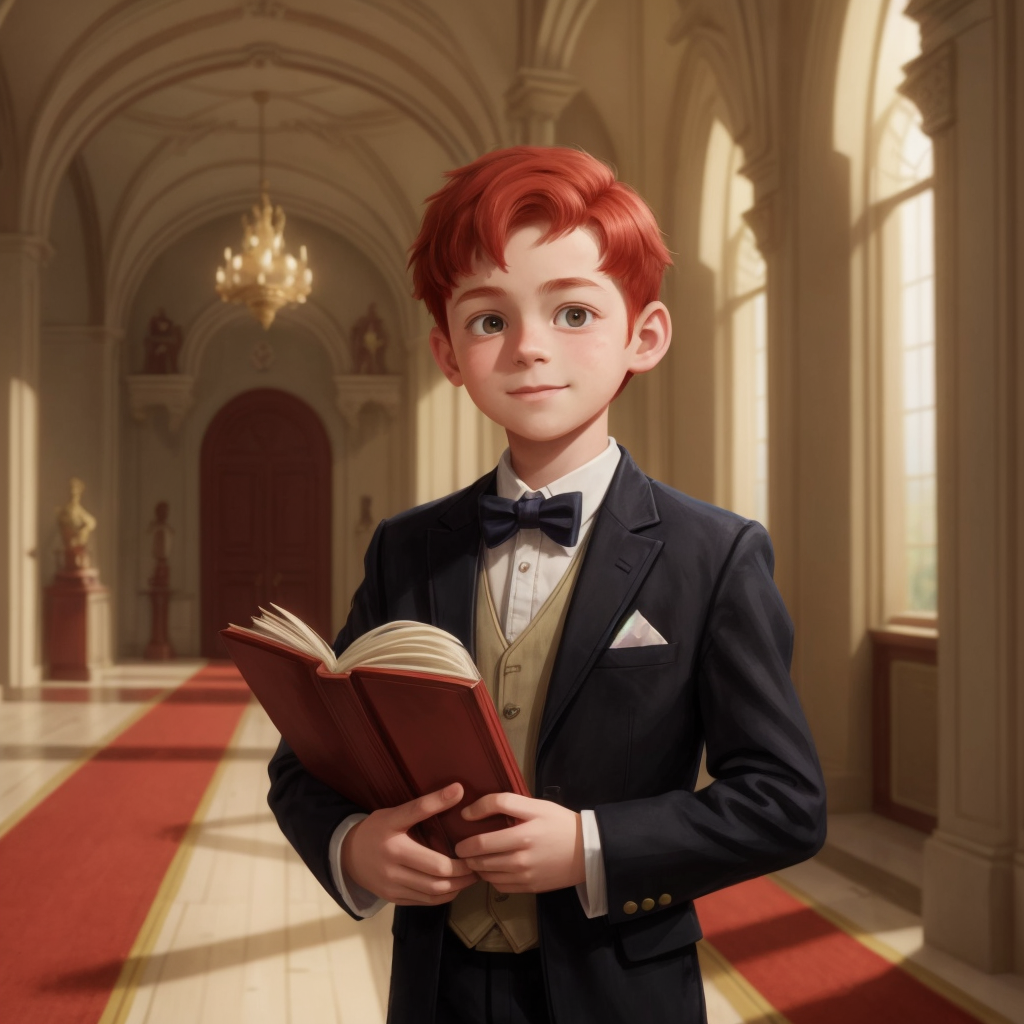
Introduction - A general idea of the importance of etiquette in modern society - The history of etiquette: what traditions and customs formed its basis Basic principles of etiquette - Politeness and respect for others - Rules of communication and interaction with people of various social circles - Etiquette in various situations: at work, at social events, in the family, etc. Etiquette in everyday life - Rules of behavior at the table: eating, communication during meals - Rules of communication in social situations: meetings, goodbyes, phone conversations, etc. - Etiquette in public transport, shops, parks and other public places Etiquette in a business environment - Rules of conduct in the workplace: interaction with colleagues, management, subordinates - Business etiquette: rules of negotiation, business meetings, communication with partners and clients Etiquette in family life - Rules of interaction with family members: spouse, children, parents - Etiquette in ce
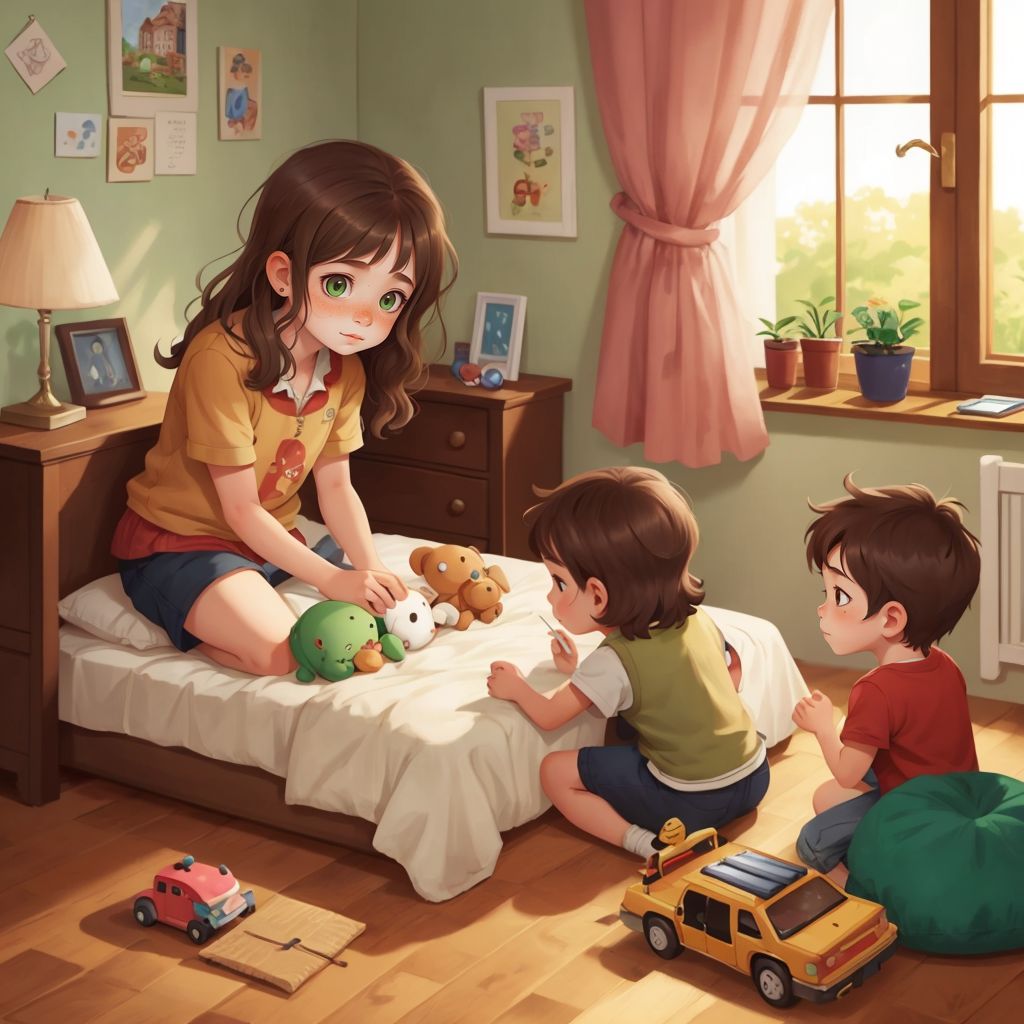
Taylor is annoyed by her younger brothers, who are twins, they are constantly bothering her At the end she learns they are not so bad

Twin brothers Slothes named Sammy and Zippy love to hang out with their friends at the Big Treehouse and go on great adventures.
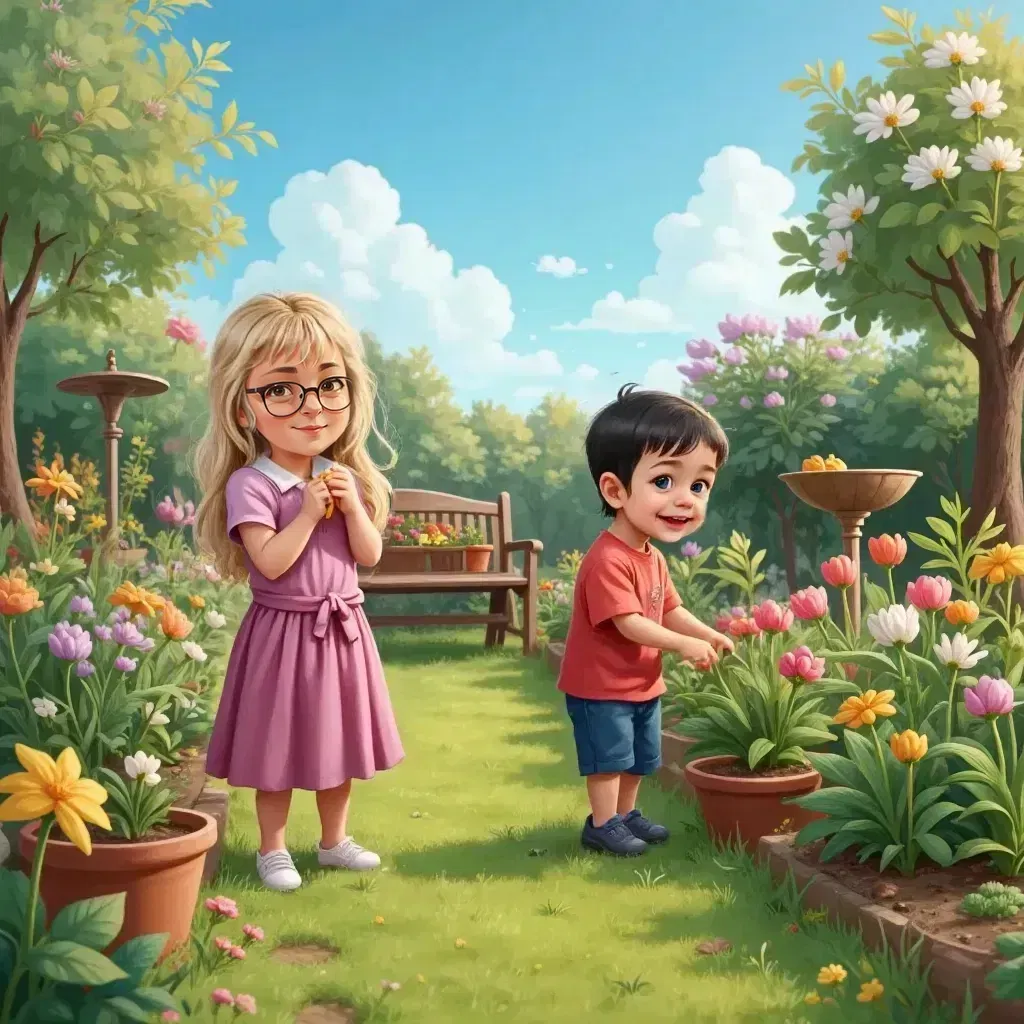
Natalia and Kingston’s Magical Garden Adventure is an interactive story where siblings Natalia and Kingston embark on a fun quest to save Granny’s wilting garden. When they discover that the magic watering can is missing, they set off to find it, choosing different paths and solving puzzles along the way.

Fuseina who lives in Yikpabongo town in Northern Ghana, finds an injured bird and, with the help of a kind veterinarian, learns about wildlife rescue and rehabilitation, understanding the importance of caring for injured animals.

A king that learned to be kind and change his ways
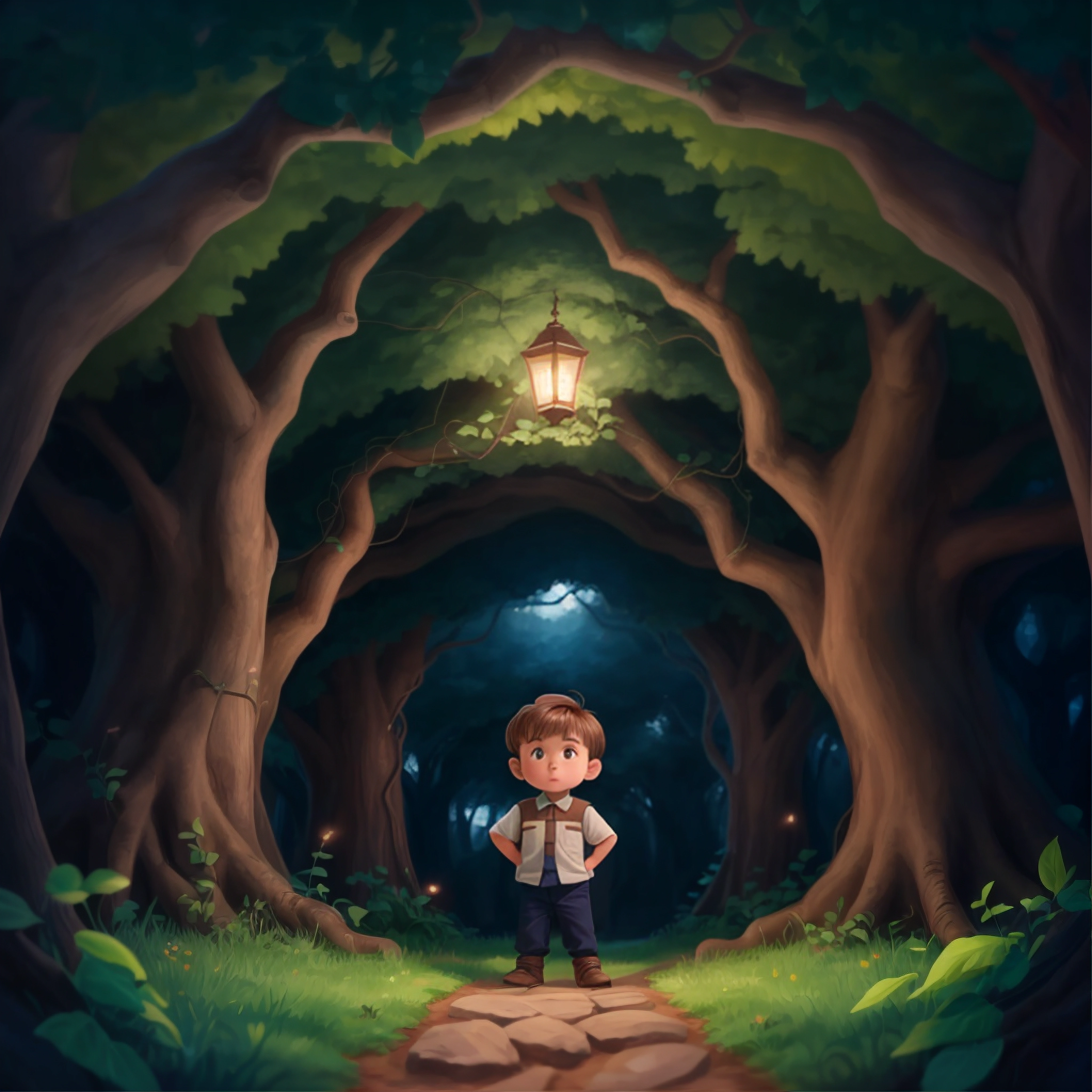
Tiny little town where the kids had to be home when the street lights went on but the adventures they created for themselves for like no other. They found this underground tunnel that would get them all over the town, and they could hide and listen to everything. This tunnel was part of their grant adventures, resolving mysteries and hiding to hear the secrets of others. Nobody knew how they did it but the kids knew that the magic tunnel would always lead them home when they were supposed to be at home.

Alice and her dad climb a mountain and fund a castle. They have an adventure

Flaco's adventures in New York

Miko the Meerkat and Lou the lizard live in the hot and dry Kalahari Desert, they are best friends (Miko and Lou must be in one picture). Miko loves popping and looking out of burrows to explore the Kalahari. Lou is a clever lizard; she loves to imagine the stars in the sky so much that she sometimes forgets to listen in class. He was always digging burrows and often got distracted during his How to Spot a Predator class with the other meerkats. Lou also struggled in class. She couldn’t focus on her Sun Safety class with the other lizards because she was easily distracted by the clouds in the sky and often forgot to take down her homework.After visiting Dr Wild the Wildebeest, Miko and Lou learnt to do things that would help them to manage their ADHD. Miko became the captain of the sand surfing team and had the fastest record in the desert! Miko was also top of his insect tracking class and created the first ever pair of insect spy goggles that could see different insect tracks and tell you what type of insect you are looking at!Lou enjoyed stargazing so much that she was top of the class for astronomy and could name every constellation (Miko and Lou need to be in the desert, in scenes like the class there needs to be other meerkat and lizards, not children) . They have support from their parents, teachers and classmates. But the best part was that they could count on each other!

Holding hands friends successful carousel

n Storie oor n seuntjie wat baie lief was vir sy Pappa en sy ouma Santie. Hy hou van rugby speel en om op die plaas te kuier. Soms sit hy selfs n bril op om slim te lyk wanneer hy met sy ouma op die foon praat.

Characters: Candyland (a country of candy-makers) Fruityland (a land of fruit farmers) A wise owl named Professor Trade, who explains how trade works. Story: Page 1: Introduce Candyland and Fruityland. "Candyland loves making chocolates, lollipops, and jelly beans, but they don’t grow pineapples very well. Fruityland has the best pineapples but no time to make candy!" Page 2: Professor Trade explains the problem. "Candyland and Fruityland both want more yummy treats. 'How can we get what we want without wasting time?' they ask." Page 3: The idea of specialization. "Professor Trade says, 'Candyland should focus on what it does best—making candy! Fruityland should stick to growing fruit!'" Page 4: Explain comparative advantage. "Candyland is really good at making chocolate, and Fruityland is super fast at growing pineapples. If they trade, both can enjoy what the other does best!" Page 5: The result of trade. "Candyland trades a big box of chocolates for a basket of Fruityland’s pineapples. Now they each have chocolates and pineapples to share with everyone!" Page 6: The benefits of trade. "Thanks to trade, Candyland and Fruityland became great friends. Their people were happy, their businesses grew, and everyone had plenty to eat and enjoy." Conclusion: "The lesson from Candyland and Fruityland is simple: When we trade, we all get more of what we love. That’s why we trade!"

A biracial little boy confused about his race, when the kids at school started picking on him

It's about Oliver and Av, both eight years old, who live in God's purpose, show kindness, and win over children in school and the neighborhood. They are both black.
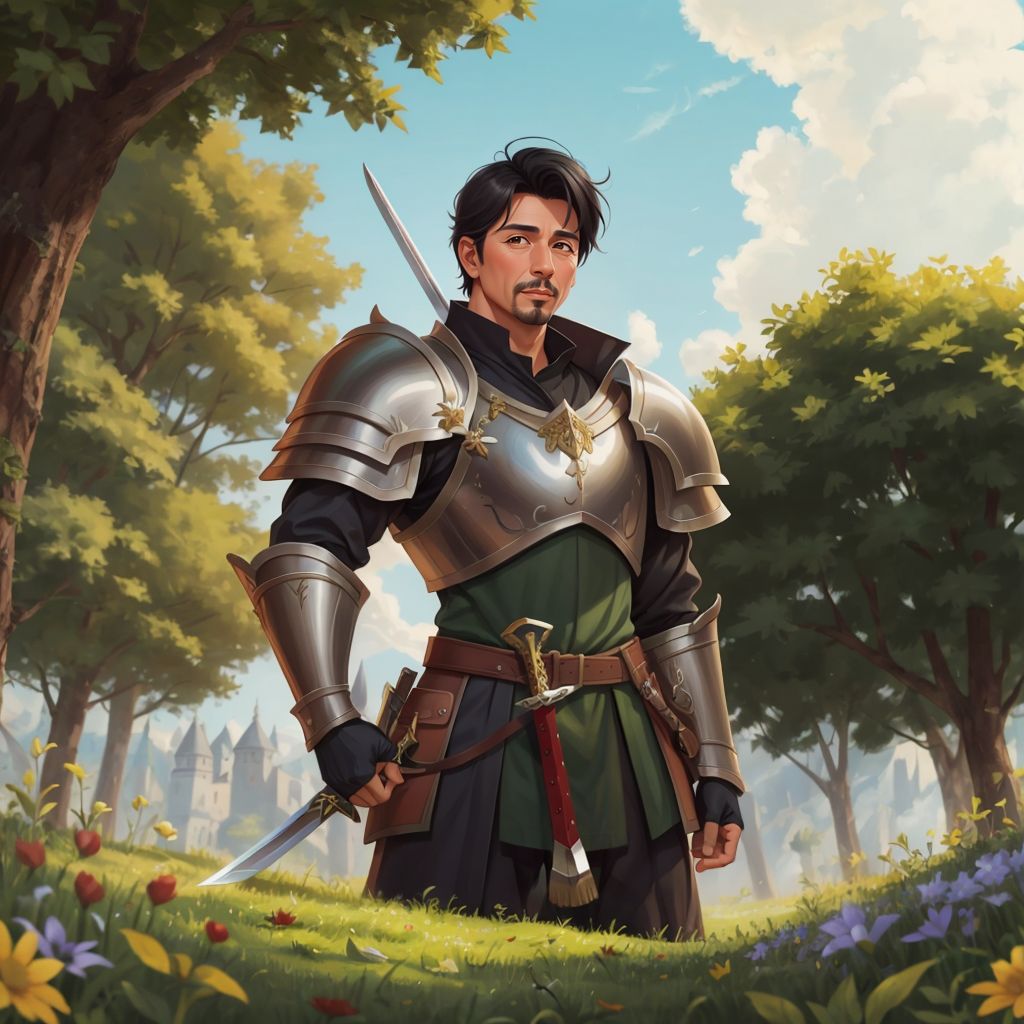
Title: "The Quiet Honor of Sir Cedric" In a time of kings and battles, there lived a knight named Sir Cedric. His armor gleamed, and his sword was sharp, but these weren’t the things that made him truly great. What set him apart was something quieter, something deeper—the way he followed the Knight’s Code. Bravery, they said, was the heart of a knight. But for Sir Cedric, bravery wasn’t just in battle. It was standing strong when the world felt uncertain. Courage, he knew, wasn’t the absence of fear. It was moving forward despite it. Yet bravery alone didn’t define a knight. There was chivalry, too. One rainy day, Sir Cedric found a farmer and his daughter stuck in the mud with their cart. No crowds watched, no glory awaited. Still, Sir Cedric helped push the cart free, sending them on their way. His real strength lay in these small acts of kindness. Sir Cedric also knew how to treat his enemies. After battle, when enemy knights were captured, he ensured they were given food and warmth. “We’re not so different,” he would say, knowing one day he could be the one in chains. For him, honor wasn’t how you fought, but how you treated those who’d already lost. Loyalty was at the heart of who he was, though it wasn’t just loyalty to his king. It was to something larger—a quiet promise to the land and the people. As he rode through villages, he didn’t see peasants or subjects. He saw people, faces, lives. The ones he vowed to protect. At royal banquets, Sir Cedric wasn’t the loudest voice. He didn’t crave attention. But he was respectful, listening more than speaking, because for him, nobility wasn’t about titles. It was in how you treated others, whether anyone noticed or not. Sir Cedric’s story wasn’t written in songs or carved in stone. It was passed from one person to the next, like a quiet secret. In the end, honor wasn’t in grand gestures but in the silent moments where a knight’s true nature shines. That’s where Sir Cedric lived.
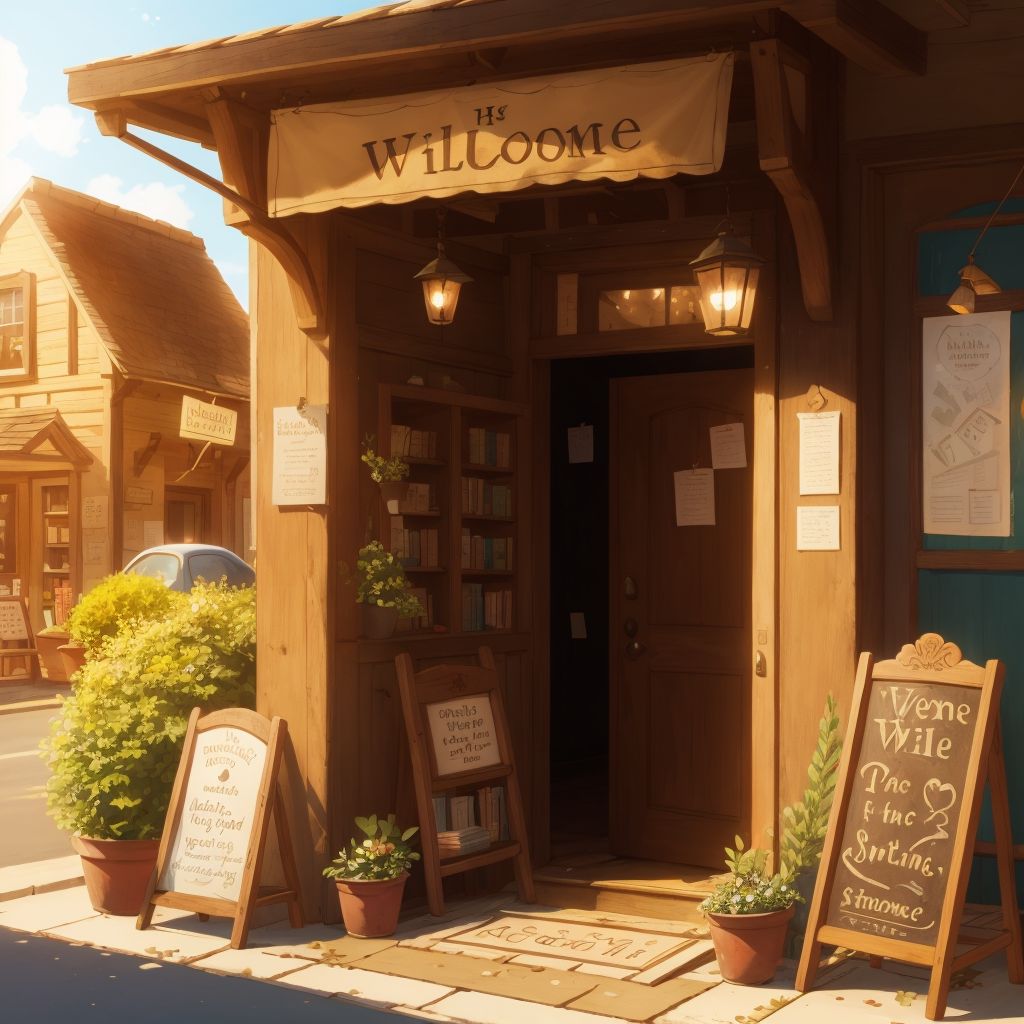
“The Magical Bookshop” celebrates the transformative power of stories in fostering empathy, understanding, and critical literacy among children. It encourages young readers to embrace diversity and embark on their own journeys of imagination and discovery through books.