
 Start Read
 Recommend
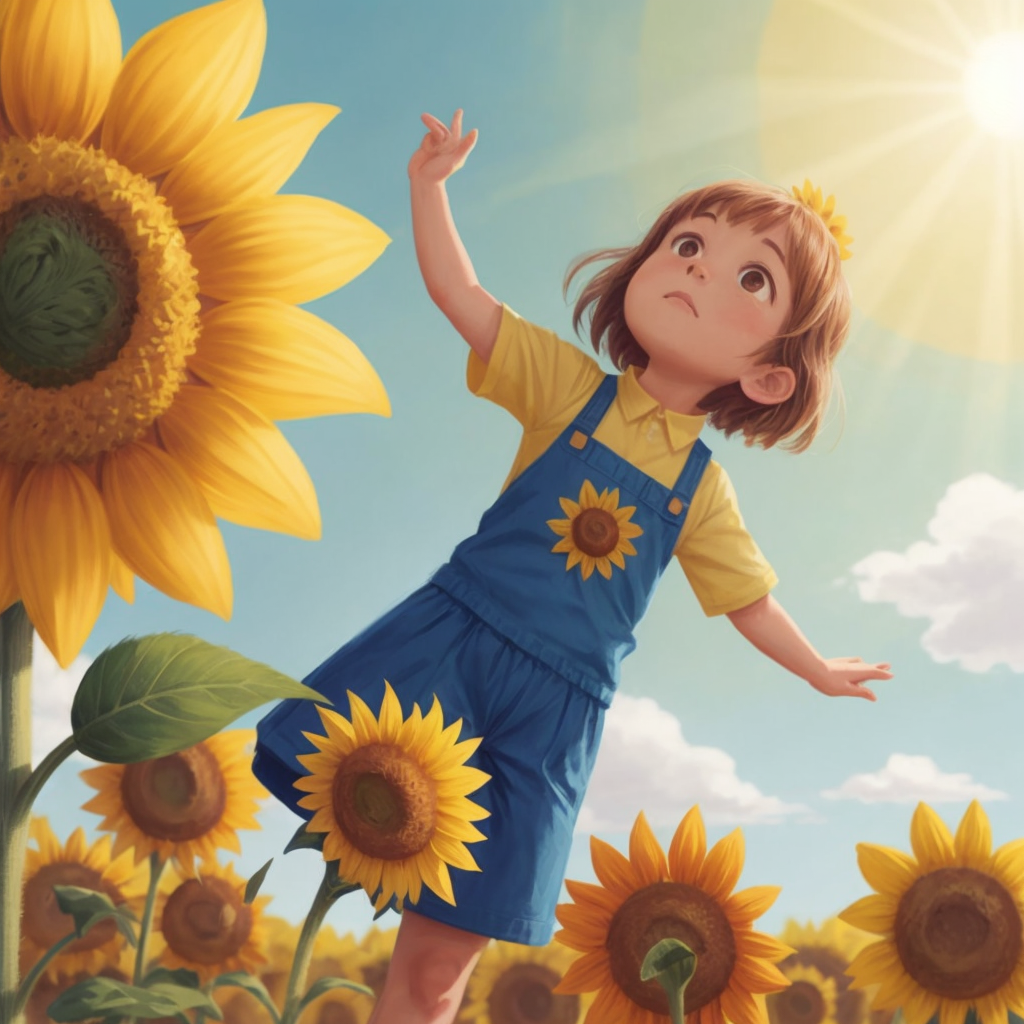
Page 1: Once upon a time, in a cozy little garden, there lived a bright and cheerful sunflower named Sunny. Sunny was tall and had big, yellow petals that looked like the sun shining in the sky.

1. Introduction Benny is excited about his school’s Science Fair and wants to create something magical. He rushes to Professor Pippin for advice. 2. Problem/Conflict Professor Pippin explains the difference between mixtures (like salad) and solutions (like lemonade). However, the Mischievous Molecule appears and starts mixing things up, confusing Benny with tricky experiments that don’t turn out right! 3. Journey of Discovery With the help of Professor Pippin, Benny embarks on a journey through the lab, encountering different ingredients and learning how they interact. He conducts fun experiments, like combining oil and water, to see what happens and learns why they don’t mix (introduction to density and solubility). 4. Climax The Mischievous Molecule challenges Benny to a final experiment: can he create a perfect solution that doesn’t get messed up? Benny gathers all he’s learned and confidently takes on the challenge. 5. Resolution Benny successfully creates a beautiful, colorful solution by mixing the right amounts of solute and solvent. The Mischievous Molecule is impressed and decides to help instead of hinder. They showcase their final creation at the Science Fair, and Benny wins a special award for creativity and understanding of chemistry! 6. Conclusion Benny learns that science is about experimentation and learning from mistakes. He looks forward to more adventures in chemistry with his new friend, the Mischievous Molecule.

This story follows Durga, a curious 10-year-old girl, as she experiences a bustling day at her family's laddu shop, Laddu Vilas, during Diwali. Awakened by the aroma of freshly made laddus, she discovers her mother preparing sweets early in the morning. Intrigued, she learns from her parents about the festival's traditions and the heightened demand for laddus. Durga eagerly accompanies her father to the shop, where they arrange the trays and open to a crowd of eager customers. Throughout the day, Durga observes the trays emptying quickly and learns from her father about the economic concept of supply and demand, as festival sales far exceed regular days. By day's end, with all laddus sold, Durga reflects on the excitement of the day and shares her joy with her mother. The story concludes with Durga gaining new knowledge and cherishing her special day at Laddu Vilas.
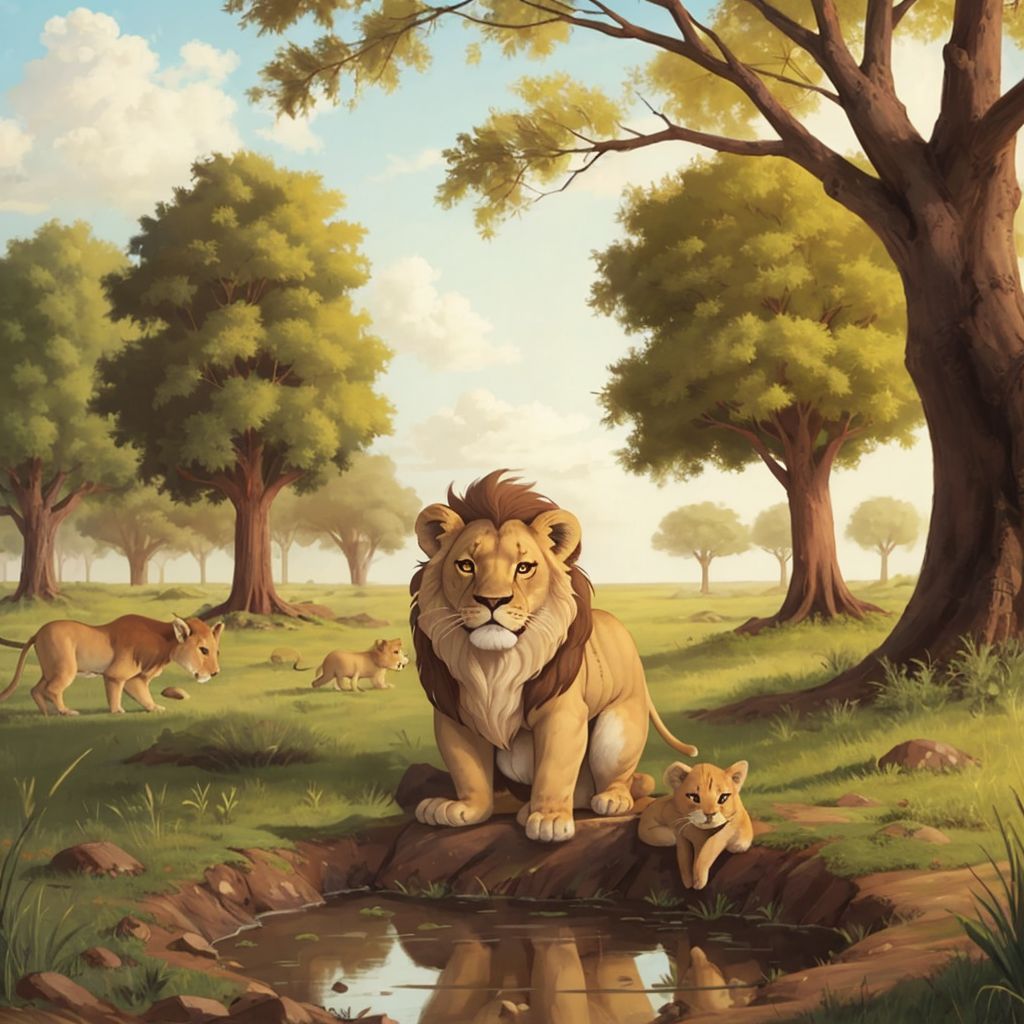
When a family’s watering hole runs dry, Mother lion allows her three cubs to go on an important mission: follow her instructions to find the watering hole down a long path. However, with one cub’s stubbornness, another’s distraction, and the youngest’s timidity, this leads to unexpected challenges along the way. To succeed, the cubs must learn to work together and overcome their differences in order to get to the new watering hole.

During the holiday of Mehrjon, the Khan of the Khanate of Bukhara oreders to all his citizens to bring the most delicious food they have, because even though he tasted all the foods in the world, his soul feels empty. Young girl Zumrad brings the freshly baked bread in tandir by her mother and the Khans heart warms and he declares it as the best food because it was prepared with love and carries the spirit of the home. He rewards the girl and her mother becomes the royal baker.
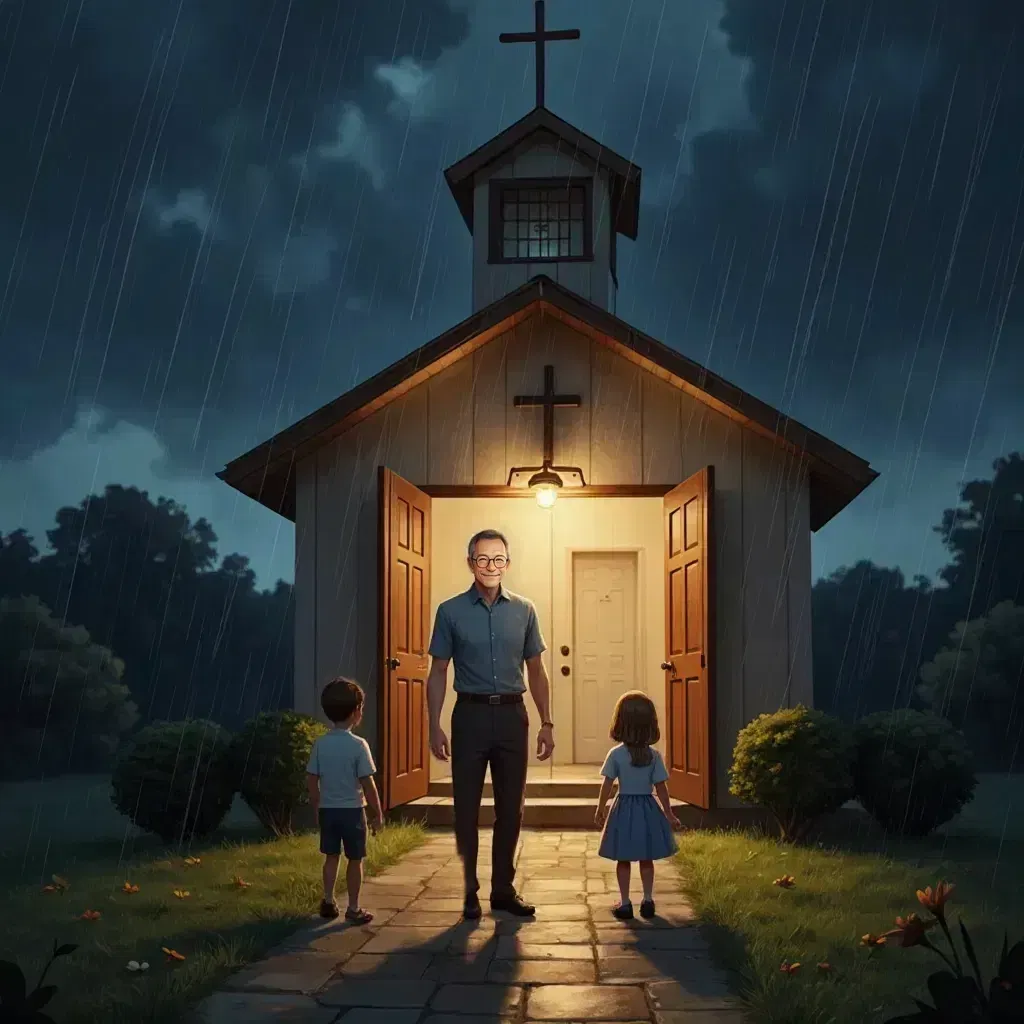
In the small town of Willow Creek, a pentcostal upci church sat atop a hill, a beacon of hope and refuge for the people below. The story follows a young boy named Daniel, who, along with his little sister Lily, is taken in by Pastor James and the kind-hearted members of the community after losing their parents. Through his journey, Daniel comes to understand the five essential needs of life as he grows in faith and purpose. At first, Daniel struggles with physiological needs, as he and Lily are left homeless and hungry. The church opens its doors, offering them warm meals, a safe place to rest, and the love of a new family. As he settles in, Daniel faces his safety needs—the fear of an uncertain future. With the church’s support, he finds stability, attending school while the congregation helps provide clothes, medical care, and a secure place to call home. Over time, Daniel begins to experience love and belonging, forming deep friendships with other children in the church and building a bond with the pastor and his wife, who treat him like their own. Through youth groups and Sunday services, Daniel learns that he is never alone and that God’s love surrounds him. As he grows older, Daniel pursues his dreams, developing confidence and earning recognition for his hard work in school and service to the community. His esteem needs are met as he finds purpose in helping others, teaching younger children, and working hard to improve his life. Finally, Daniel reaches self-actualization when he realizes that his true calling is ministry. Inspired by Pastor James and the kindness of the church, he dedicates his life to serving others, preaching, and helping those in need—just as he was once helped. Through faith, love, and perseverance, Daniel’s journey through life’s greatest needs teaches him that God provides in every season and that true fulfillment comes not just from achieving success, but from using one’s gifts to uplift others.

The book contains the secret knowledge of the magical sales techniques of business process optimisation training using neural networks
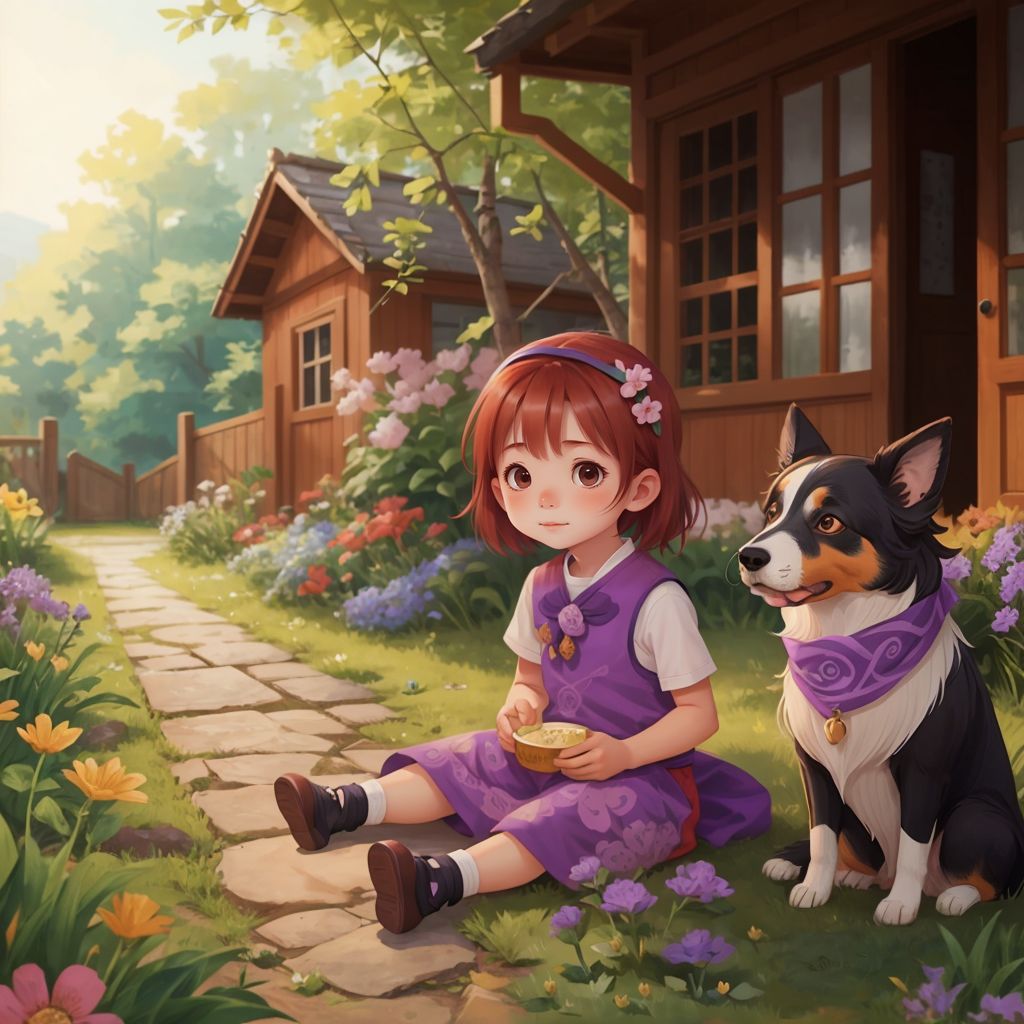
A colorful story about how our thoughts and habits are like seeds we plant and nurture in our brain-garden Shows how positive thoughts grow into beautiful flowers while negative thoughts are like weeds we can choose to pull Teaches basic neuroscience concepts through gardening metaphors kids can understand Includes simple mindfulness exercises presented as "garden care tips"
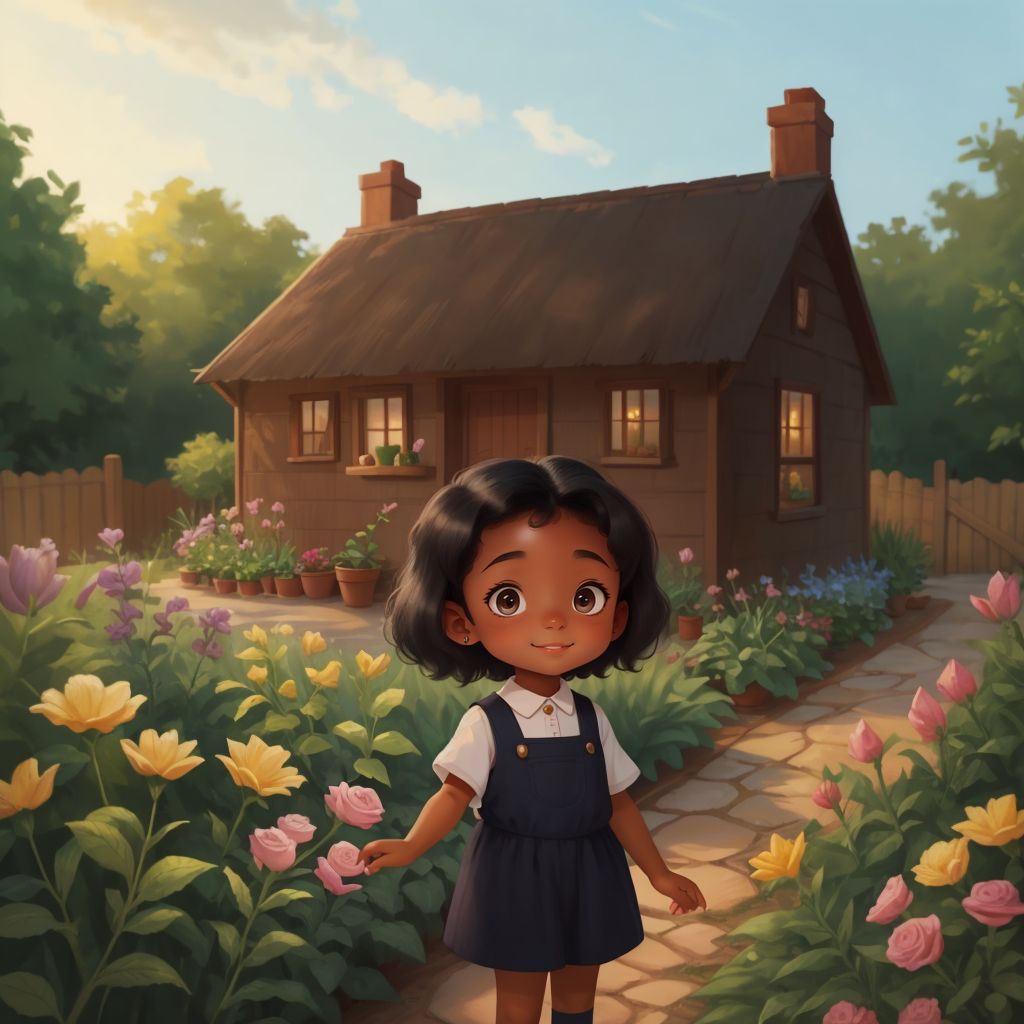
Lily and Sam were thrilled to be spending their summer at Grandma Rose's cozy cottage, nestled in a magical garden filled with colorful flowers and hidden surprises.
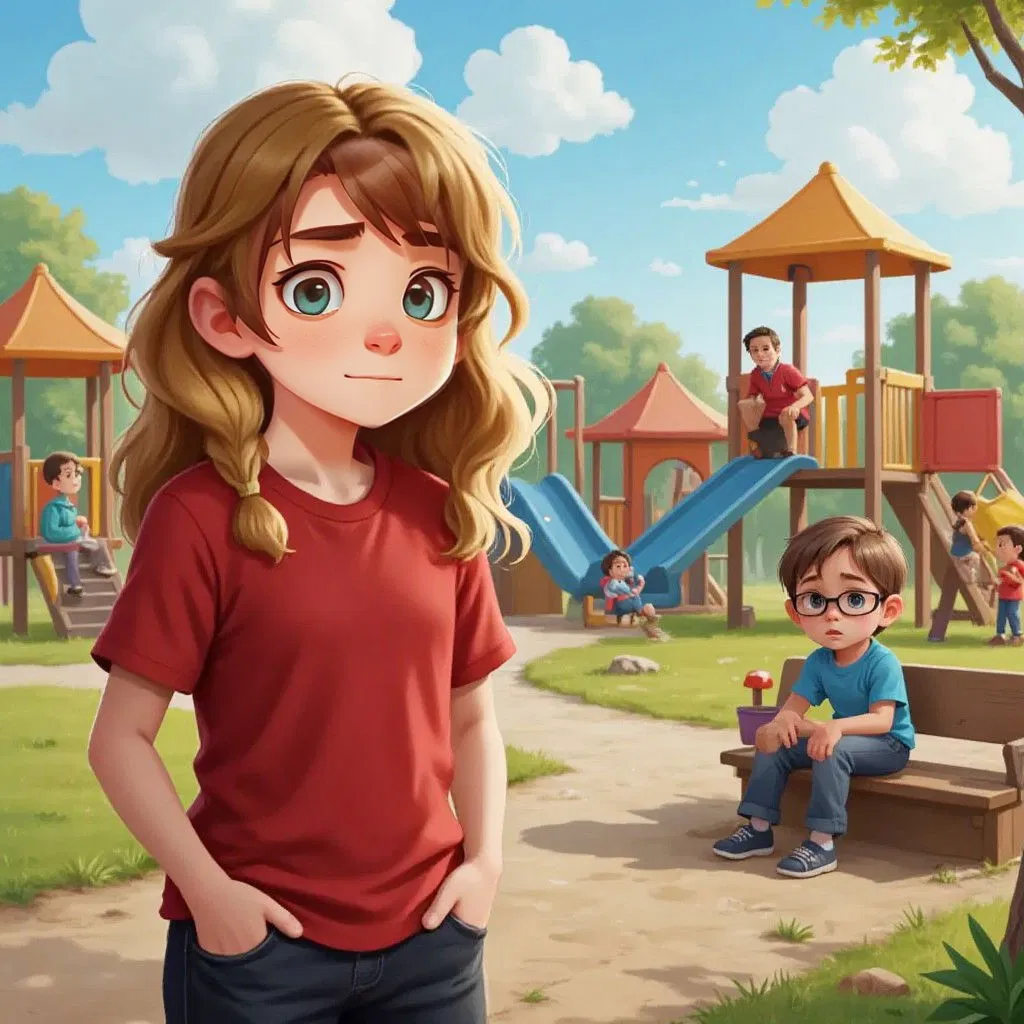
a grup of 5 children do what they agaainst bullying in their school first Ana see that a new boy is cryng because others collegues laught about him

alphabets story adventure
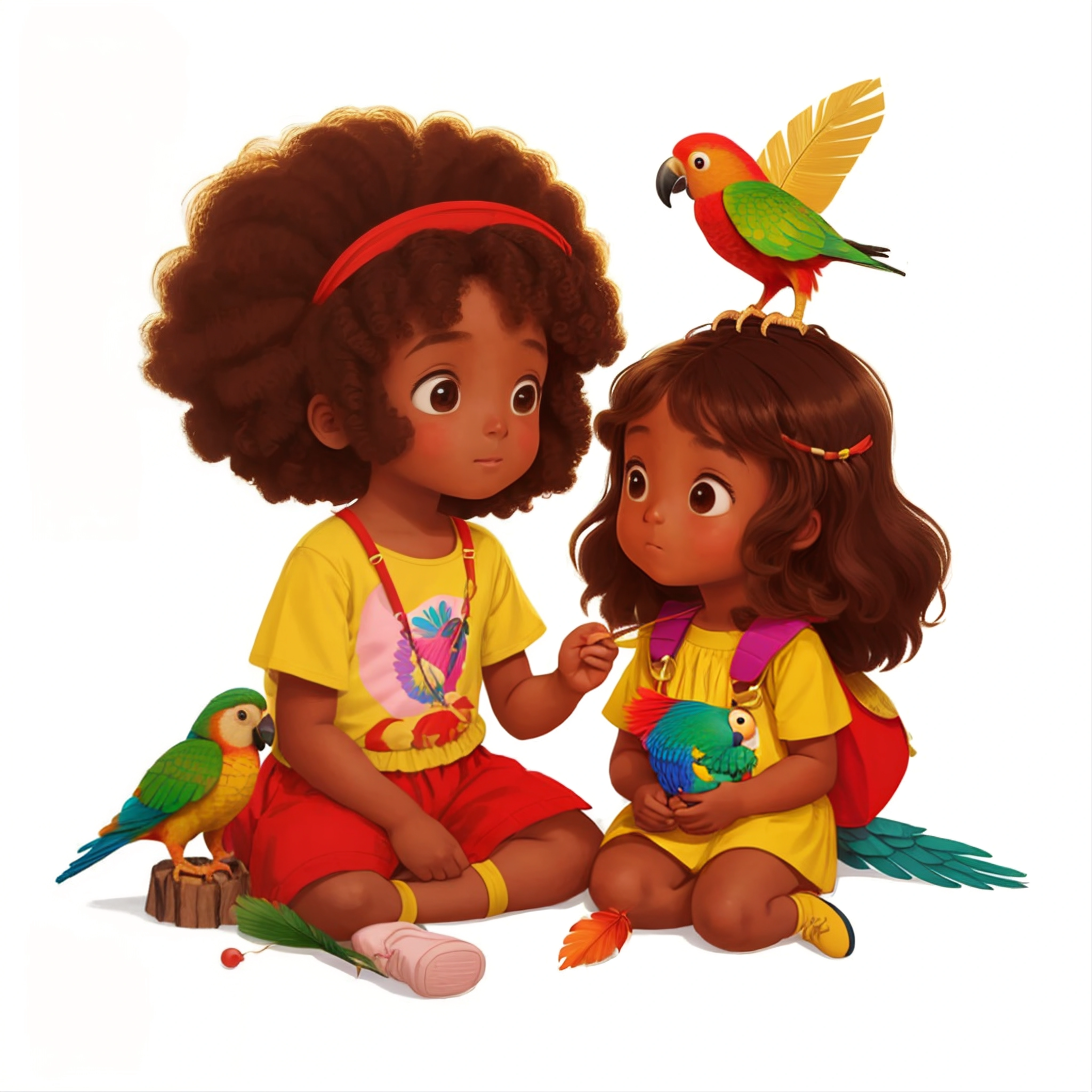
Melisa is a 4-year-old child. She dreams of becoming a fashion designer. He still dreams of having a big house and a luxurious car. but in order to fulfill his dreams he must study well at school, obtain a diploma in the most prestigious university in the world. And Melisa already has an action plan.

"What do you want to be, my dear?" A challenge so grand, he scratched his head, Many talents to explore, his heart said! He danced like his mommy, twirled and spun, In a tutu or cape, his dancing was fun! With blocks and more, he built so high, Unique structures reaching the sky! Like Aunt Kristen, he'd research and delve, Into mysteries he'd bravely unveil! Aunt Emily's mail, so special and sweet, He'd deliver surprises to each friend he'd meet! Like Aunt Sheila, he'd cheer and inspire, Helping friends reach higher and higher! With Uncle Kevin's detective knack, He'd investigate, leaving no clue to lack! Uncle Todd's tech, he'd learn with glee, Buttons and gadgets, a tech prodigy! "What will you be?" "Instead of just one job, I'll do many things, Dance, build, and research – the joy it brings!" "To leave a mark, make an impact so grand, Helping others across the land!" "So, let's ask not what I'll be when grown, But what challenges can be overthrown?"
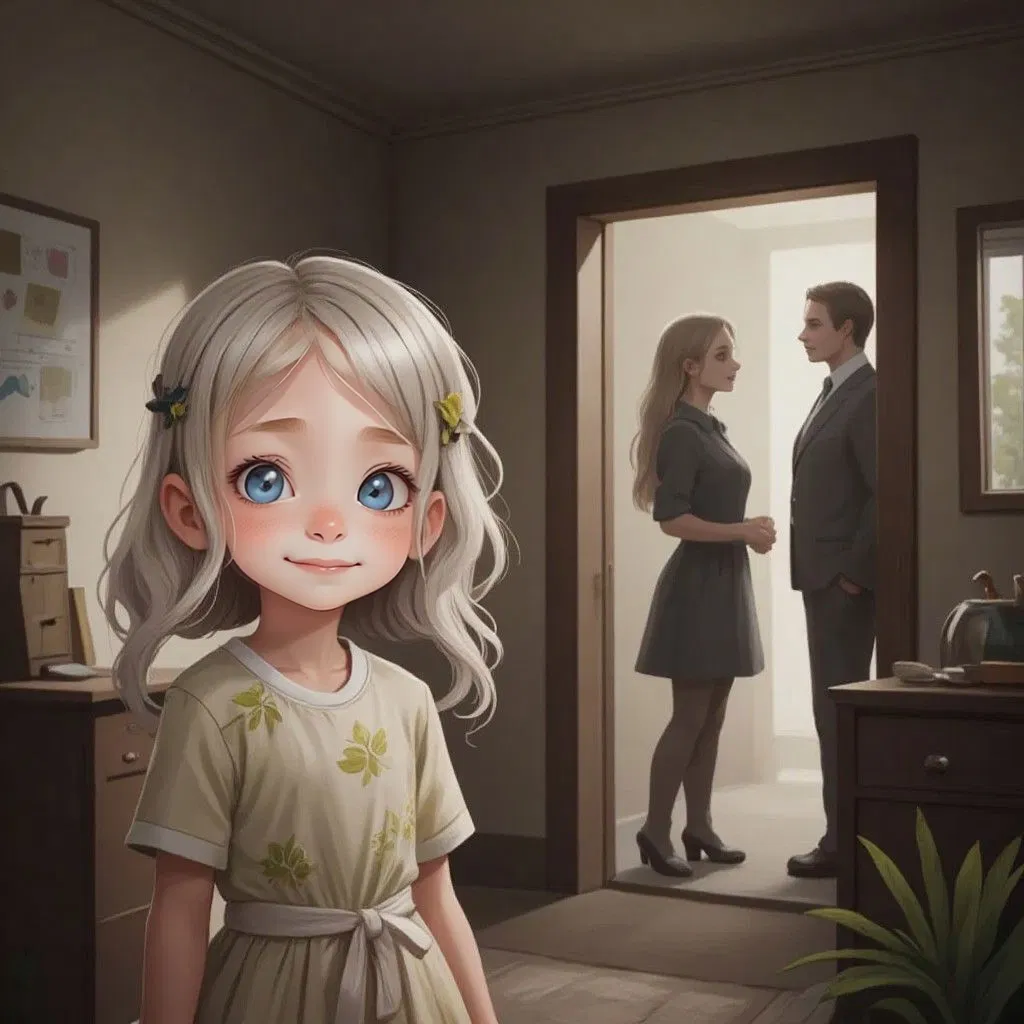
Character Development: Mia’s Journey Mia is introduced as a bright and imaginative girl who loves to explore her surroundings. However, she often feels sad and confused due to her experiences at home with her toxic parents. The narrative can depict moments where Mia feels overwhelmed by negative emotions, such as anger, sadness, or fear, stemming from the chaotic environment created by her parents’ toxic behaviors. Understanding Emotions The book should include sections where Mia learns about different emotions through engaging activities. For instance, she could discover an “Emotion Garden” where each flower represents a different feeling—red for anger, blue for sadness, yellow for happiness, etc. This metaphor helps children understand that all emotions are valid but that they can choose how to respond to them. Finding Support As the story progresses, Mia meets supportive characters—a wise grandmother figure or a caring teacher—who teach her about healthy coping mechanisms. They might introduce concepts like mindfulness, journaling, or talking about feelings openly. These interactions emphasize the importance of seeking help and building a support network outside of toxic family dynamics. Empowerment Through Choices Mia learns that she has the power to make choices that contribute to her happiness. This section could include practical advice on setting boundaries with toxic individuals and engaging in self-care practices such as spending time in nature or pursuing hobbies that bring joy. Illustrating these choices empowers children by showing them they can take control of their own happiness. Celebrating Small Victories The narrative should highlight Mia’s small victories along her journey—like standing up for herself when her parents are unkind or finding joy in simple pleasures like drawing or playing outside. Each victory reinforces the message that healing is a process filled with ups and downs but ultimately leads toward greater happiness.

history about Christmas, how was born Jesus for kids 4-7 age

1. An old childless couple 2. They find a tiny baby mangoose in the jungle 3. They adopt it and treats it like their child , feeding and Playing 4. The couple gives birth to a baby girl 5. The mother plays with the infant ignoring the mangoose 6. Mother doubts the mangoose jealous of her child
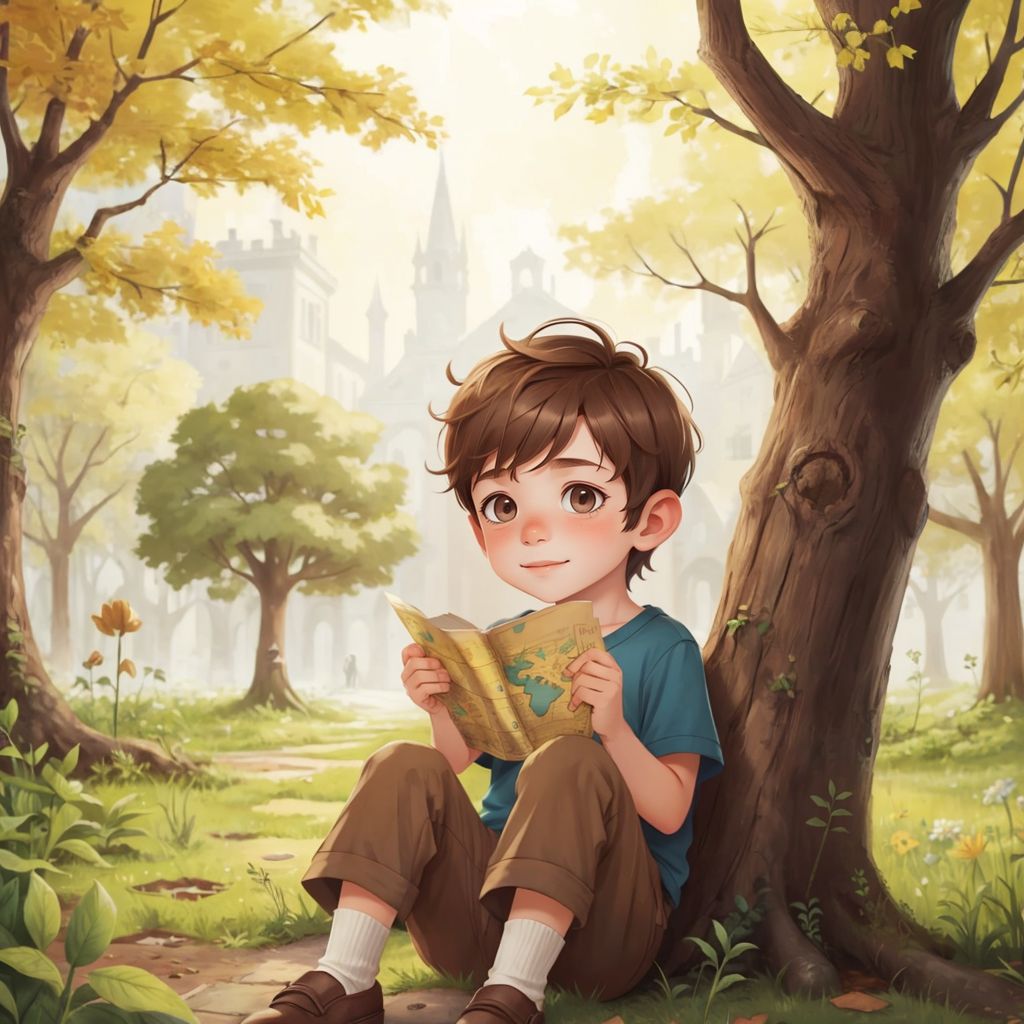
V malém městečku Slunečná Zátoka žila trojice přátel – Lily, Alex a Max. Jednoho slunného odpoledne objevili pod starým dubem zažloutlou mapu, která vypadala jako starobylá. "Vypadá to jako mapa k pokladu!" vykřikl Tomáš a děti se rozhodly ji prozkoumat. Prvním cílem byla opuštěná zahrada za muzeem. Když dorazili, našli tam starou truhlu plnou barevného skla, které se třpytilo jako drahokamy. "Jsou to jen staré kousky skla," zklamaně poznamenal Martin, ale Anička podotkla, jaké krásné barvy mají. Tato zkušenost je naučila, že i obyčejné věci mohou mít skrytou krásu. Následně zamířili na vrch nad městem, kde objevili vzácné rostliny a motýly. Děti se rozhodly o motýly pečovat a nosily jim každý den kousky ovoce. Učily se, jak je důležité chránit přírodu a vážit si jejího bohatství. Posledním bodem na mapě byl starý maják u moře. Cesta byla náročná, ale děti se navzájem podporovaly. Když konečně dorazily, našly uvnitř majáku knížku pohádek a starých příběhů města. Tato kniha je inspirovala k výměně svých vlastních příběhů a dobrodružství. Při návratu domů, v záři zapadajícího slunce, si uvědomily, že největším pokladem není sklo ani motýli, ale přátelství, které si vybudovaly. Naučily se, jak je důležité spolupracovat a sdílet zážitky. Kouzelná mapa je zavedla na tajná místa ve městě, ale především jim ukázala poklady jejich srdcí. Jejich příběh se stal legendou v Slunečné Zátokě, příběhem o třech přátelích, kteří našli skutečný poklad – přátelství.

A three legged dog and his friend teach the town that dogs have feelings too.

henry the only giraffe in his whole group to have a short neck is sad because hes not like the other giraffes that use their necks to help so henry leaves and spends time with other animals that have all different shapes and realizes that being different isnt bad you just have to polay to your strengths

A Walk in the Mangroves" is an educational narrative about a young Singaporean girl named Abby who learns environmental responsibility through a school field trip to a mangrove swamp. The story begins with Abby impulsively throwing away her mother's rain cap, which subsequently blows into a gutter. During a field trip led by environmental volunteers Robert and Cheryl, Abby and her classmates explore the unique ecosystem of mangroves, discovering various plants and animals while learning about the environmental challenges facing these habitats. A pivotal moment occurs when Abby finds her discarded rain cap on the beach, now containing a dead mudskipper—a poignant illustration of how carelessly discarded plastics harm marine life. The students participate in a beach cleanup, collecting 27 bags of trash, and Abby gains a profound understanding of environmental conservation. Through Cheryl's guidance, Abby learns that while cleaning efforts might seem futile, consistent action is crucial in protecting delicate ecosystems. The narrative effectively combines a personal story of a child's growth with broader environmental education, emphasizing the importance of individual responsibility in addressing ecological challenges.